
Why does sleep quality decline and how can massage help?
Many people know the feeling of finally getting into bed at night, yet their mind is still racing. Everyday stress, excessive screen time, a sedentary lifestyle, and constant rushing all leave their mark on the body. Because of this, even when someone feels exhausted, falling asleep can become difficult, and sleep may not feel truly restorative.
Many people try to survive the day with coffee, then look for quick ways to relieve tension in the evening — often by scrolling on their phone, drinking more caffeine, or relying on temporary coping habits to calm themselves down. In reality, it is often not only the body that is tired, but the entire person is overwhelmed. In these moments, what truly matters is allowing the body to slow down and switch into a restful state so genuine relaxation can happen.
This is exactly where massage can help. Beyond relaxing the muscles, massage helps calm the parasympathetic nervous system. That is why after a well-done treatment, it often becomes much easier to fall into a deep, restful sleep.
How does massage affect the nervous system?
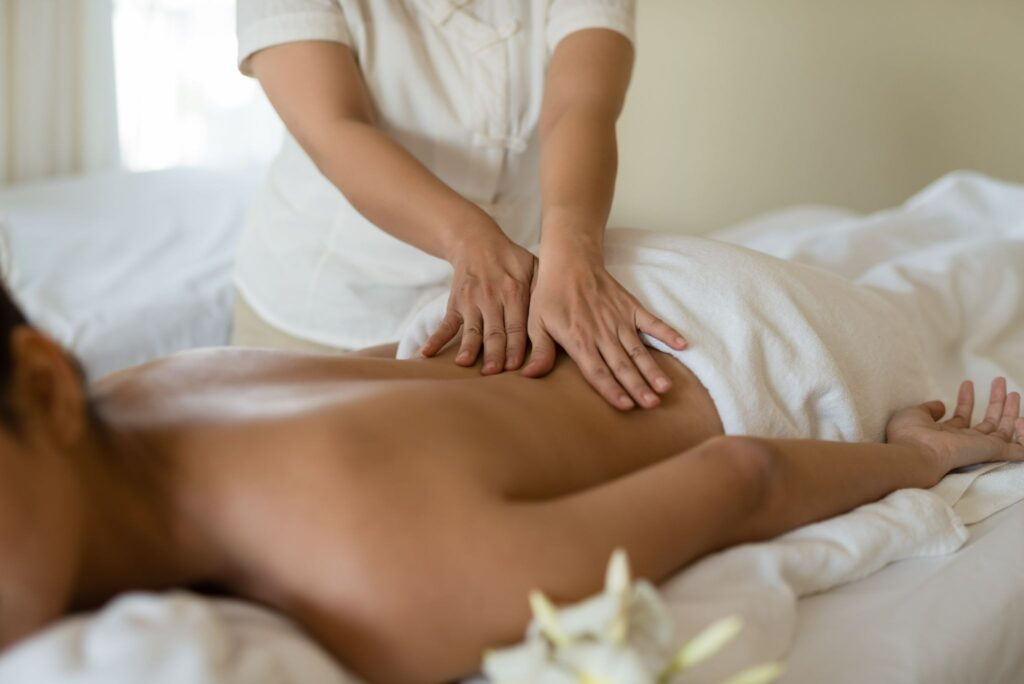
During a massage, the body gradually relaxes and lets go of tension. Breathing slows down, muscle tightness decreases, and as the treatment progresses, people often feel themselves mentally disconnecting from the constant rush of daily life.
Even after the very first session, many people notice that it becomes easier to fall asleep.
What is the biological reason behind this? How does the parasympathetic nervous system work?
- Muscle tension decreases
- Heart rate slows down
- Blood pressure stabilizes
- Lymphatic circulation improves
- Stress hormone levels decrease
At our salon, massage therapists always take your current physical and mental state into consideration. Personalized treatments ensure that you get the most out of every session, because we know that someone who spends all day sitting at a desk needs something different from someone working under constant stress.
Which type of massage should I choose if I want to improve my sleep?
If your goal is better sleep and relaxation, these treatments are usually the most effective:
Relaxation massage
Slow, calming movements help quiet an overstimulated nervous system. This makes it easier to let go of the day’s tension and fall asleep more quickly.
Swedish massage
A classic technique that relaxes the muscles while also stimulating circulation. This helps your body naturally shift into rest mode in the evening.
Sports massage
Sports massage can help release tension built up after physical activity or intense exercise. This allows the body to recover faster and may lead to deeper sleep.
Gentler, slower techniques help ensure that your body does not remain tense after the treatment.
When is the best time to go for a massage?
Most people prefer afternoon or evening appointments because they usually have fewer responsibilities afterward. Following a relaxing massage, it becomes much easier to slow down for the evening.
If you would like to try a treatment, booking an appointment only takes a few minutes.
The connection between stress and the body
Stress does not only exist in the mind. For most people, the neck, shoulders, or back are the first areas where tension appears. Many people stop noticing it entirely because they become so used to it. In the background, the body’s stress response becomes activated, releasing hormones such as cortisol and adrenaline, which keep the body in a constant state of alertness.
When the body remains in a continuously tense state, sleep quality naturally declines as well. Muscles cannot fully relax, breathing becomes shallower, heart rate and nervous system activity remain elevated, and nighttime rest becomes less deep and less restorative.
Regular massage can help break this cycle. The body gradually releases built-up tension, the stress response calms down, and many people start booking treatments not only when they are already in pain, but also as a form of prevention.
Why is consistency important?
Even a single massage session can help you feel better, but regular treatments create more lasting and noticeable results.
Weekly or biweekly sessions are excellent for maintaining balance because they help prevent the body from returning to a chronic state of tension. With our massage memberships, you can maintain consistency while also saving money. The Lunch-Break Reset package is an excellent choice for office workers who want to release stress during a quick half-hour session.
Massage has become especially popular in Budapest because so many people spend 8–10 hours a day sitting in offices or working under high levels of stress.
Massage in budapest: a downtown solution for sleep problems
Not every massage experience is the same. The environment, communication, and the therapist’s attention during the treatment all make a significant difference.
At Pressure Point Massage Salon, every treatment is fully personalized. Our mission is to help you feel more rested, refreshed, and recharged after every session. We support your relaxation in the following ways:
- calm, pleasant, and exclusive environment
- massage therapists who pay attention to your individual needs
- a wide variety of treatments to choose from
- membership discounts for regular appointments
How often should you go?
This depends largely on how stressful your lifestyle is.
- High stress or intensive physical strain: once a week
- General relaxation and recharging: every 2–3 weeks
- Maintenance and prevention: once a month
Most people notice not only improved sleep, but also a greater sense of calm during the day.

The long-term impact of massage on quality of life
Massage does not only provide short-term relief — it can also improve overall quality of life in the long run. With regular treatments, you may not only sleep better, but also feel more emotionally balanced.
Improved sleep quality can positively influence your work, relationships, and overall wellbeing. In this sense, massage is truly an investment in yourself.
Many people notice fewer nighttime awakenings and easier sleep onset after only a few sessions.
Massage as a stress management tool
Massage is effective because it supports both the body and the mind at the same time. As muscles relax, the brain also begins to slow down, reducing internal tension.
This is especially important for people who work long hours or live under constant pressure.
What other benefits does massage have?
Massage offers many beneficial effects, and better sleep is only one of them. Treatments may positively affect the body, mind, and overall wellbeing in several ways, including:
- reduced anxiety
- improved concentration
- increased energy levels
- stronger immune system
- reduced muscle tension
- improved mood
- better circulation of interstitial and lymphatic fluids
- gentle skin exfoliation effects
Many people notice positive changes after just 1–2 sessions, but long-term results require consistency.
Ideally, it is best to schedule your appointment about 3–4 hours before going to bed.
Generally yes, because massage has beneficial physiological effects, but relaxation-focused treatments are usually the most effective.
Usually not. Most people feel pleasantly relaxed, and many even report increased energy afterward.
Not directly, but massage can be an effective complementary therapy as part of a broader sleep improvement strategy.
To some extent yes, but professional massage treatments are typically more effective.
Yes. Massage works very well alongside meditation, breathing exercises, sports, and yoga.
No. Relaxation massages designed to improve sleep are especially gentle and use slow, calming movements.
