

For some people, the sound of a joint cracking during a treatment feels reassuring. For others, the thought of sudden movements or forceful techniques is enough to make them uncomfortable.
The term “chiropractic” can also mean different things to different people. What many people associate with traditional chiropractic treatment is often a series of quick, controlled manipulations, sometimes accompanied by a cracking or popping sound. Gentle chiropractic, on the other hand, focuses more on controlled mobilization and gradual movement.
So which approach is right for you?
The answer depends on what you are looking for, how your body currently feels, and what type of treatment you are comfortable with.
In this guide, we’ll explain what gentle chiropractic treatment involves, how it differs from traditional manipulation, what you may experience during a session, and when a gentler approach may be worth considering.
First things first: what does “chiropractic” actually mean?
In everyday language, people often use the word chiropractic to describe a wide range of hands-on techniques involving the spine, joints and surrounding soft tissues.
From a clinical perspective, however, it is useful to distinguish between mobilization and manipulation.
Mobilization generally involves slower, controlled movements of a joint. Manipulation, by contrast, is typically a high-velocity, low-amplitude movement delivered in a controlled manner. A joint sound may occur during manipulation, although the sound itself is not the goal of the treatment. The World Health Organization makes a similar distinction when describing spinal manipulation techniques, differentiating slower mobilization techniques from high-velocity, low-amplitude manipulation.
This distinction matters because when someone says, “I want to see a chiropractor,” it is worth asking what they actually mean.
Are you looking for a treatment involving specific manipulations and quick movements? Or would you prefer a more gradual approach focused on mobility and controlled movement?
Gentle chiropractic treatment follows the latter approach.
What is gentle chiropractic treatment?
Gentle chiropractic treatment is a hands-on approach that uses controlled mobilization, movement-based techniques and work on the surrounding soft tissues.
At Pressure Point, the focus is not on forceful cracking. Instead, the treatment can involve assessing movement, working with areas that feel restricted, mobilizing joints and addressing surrounding muscles and soft tissues.
This can be particularly appealing if you spend much of your day sitting, exercise regularly, place repetitive demands on your body, or simply feel that certain movements have become less comfortable or free than they used to be.
The goal is not to “put a bone back into place.”
Instead, the emphasis is on supporting natural movement and maintaining or improving functional range of motion.

How is traditional chiropractic different?
“Traditional chiropractic” is not a single standardized treatment protocol, so the exact techniques can vary from one practitioner to another.
In everyday use, the term often refers to treatments that may include faster, impulse-based spinal or joint manipulations. These movements are typically short and controlled, and they can sometimes produce an audible popping or cracking sound.
It is important to understand, however, that a cracking sound does not automatically mean that a treatment was more effective.
The sound is generally associated with a rapid change in pressure within the joint and should not be interpreted as proof that a displaced bone has been “put back into place.” Gentle chiropractic treatment takes a different approach. The emphasis is on controlled movement, the individual’s range of motion and the condition of the surrounding tissues.
Gentle chiropractic vs. traditional chiropractic
The easiest way to understand the difference is to put the two approaches side by side.
Gentle chiropractic
- uses controlled, gradual mobilization;
- focuses on movement rather than force;
- works with joint range of motion;
- may include treatment of surrounding muscles and soft tissues;
- does not rely on cracking or popping;
- can be adapted to the individual’s comfort and current condition.
Traditional approach involving manipulation
- may include faster, impulse-based movements;
- certain techniques may produce a popping or cracking sound;
- uses a short, controlled force to influence joint movement;
- requires appropriate assessment before treatment.
This does not mean that one approach is automatically “better” than the other.
The more important question is which approach is appropriate for you, your goals, your current condition and your comfort level.
Who might prefer gentle chiropractic treatment?
Gentle chiropractic treatment may be particularly appealing if stiffness or a feeling of restricted movement is your main concern.
For example, it may be worth considering if:
- you spend most of your working day sitting at a desk;
- your neck or back often feels stiff;
- certain movements feel more restricted than they used to;
- your shoulders or upper back feel tight;
- your hips feel less mobile;
- you exercise regularly and want to support your movement quality;
- you place repetitive or one-sided demands on your body;
- you simply do not enjoy sudden or forceful manual techniques.
At Pressure Point, the treatment can be adapted according to the individual’s movement, areas of restriction, posture and current physical demands.
That personalized approach is particularly useful because the same treatment does not necessarily make sense for everyone.
What does gentle chiropractic feel like?
This is one of the biggest differences you may notice.
If you associate chiropractic treatment mainly with cracking sounds, a gentle session can feel quite different. Instead of one dramatic movement, the treatment generally involves gradual and controlled mobilization. You may feel stretching, pulling, pressure or mild resistance as a particular area is moved.
The practitioner controls the movement throughout the process and can adjust the intensity depending on how you respond. You may also hear natural joint sounds during the treatment, but these are not the objective.
The Pressure Point approach focuses on gentle mobilization techniques, while natural joint sounds can still occur as part of normal movement.
Afterwards, some people describe feeling that certain movements are easier or that their body feels less restricted. These experiences are individual, however, and not everyone will experience the same effects.
Why can gentle chiropractic be interesting if you work at a desk?
After sitting for eight hours, the problem is not necessarily that something has literally “gone wrong” with your spine. More often, your body simply spends a large part of the day in the same positions and uses a relatively limited range of movement.
Over time, your neck, shoulders, back or hips may feel stiffer. Add stress, limited physical activity or repetitive movements to the equation, and it is easy to understand why you may finish the day feeling like your body is “stuck.”
Mobilization and soft-tissue work can be part of an approach aimed at helping you move more comfortably and use a greater variety of movements.
If your main issue is tension in your neck, shoulders or back from sitting at a desk, you may also want to explore PressurePoint’s back massage. If restricted movement is more of what you notice, gentle chiropractic treatment may be a more relevant option.
What about people who exercise regularly?
For active people, mobility should not be considered in isolation.
Muscle condition, joint range of motion, training load, movement technique and recovery all play a role in how your body performs and feels. Gentle mobilization can therefore fit into a broader routine focused on maintaining movement quality.
It does not replace an appropriate training programme, warm-up routine or professional rehabilitation when one is needed. If you have an injury or persistent pain, assessment by an appropriate healthcare professional should come first.
If your main goal is to support recovery after training and address tired or overloaded muscles, you may also want to look at PressurePoint’s sports massage.
No cracking does not mean that “nothing happened”
This is a common misconception.
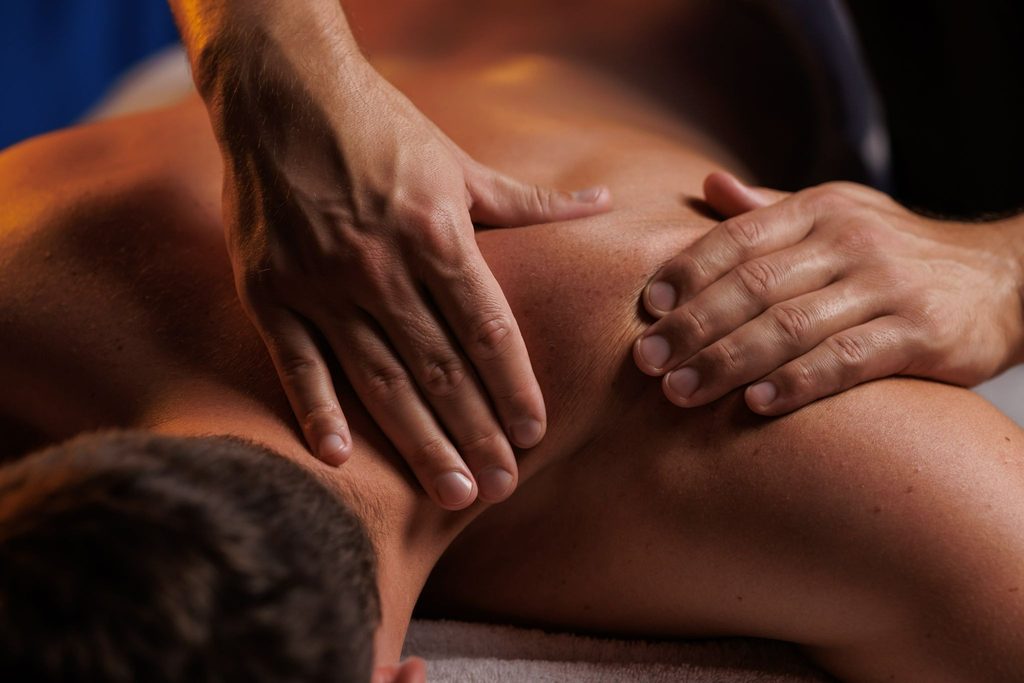
Some people believe that a chiropractic treatment was only effective if several joints cracked during the session. In reality, the sound itself is not what determines whether a treatment was useful. Mobilization can be valuable precisely because movement can be approached gradually and in a controlled manner.
The WHO distinguishes between mobilization and manipulation when discussing spinal manual techniques. Its guideline on chronic low back pain also considers certain manual therapies, including spinal manipulation, as a conditional treatment option within a broader approach to care rather than as a standalone solution.
The UK’s NICE guideline similarly recommends considering manual therapy, including manipulation, mobilization or soft-tissue techniques, alongside exercise for certain cases of low back pain and sciatica. The important point is that manual therapy should be considered as part of a broader approach, not as a magical way to “put your spine back into place.”
Does gentle chiropractic hurt?
The aim is not to cause unnecessary pain.
That does not mean you will never feel pressure, stretching or tension. A restricted area may feel more noticeable when it is mobilized, but the intensity should remain appropriate and the practitioner should respond to your feedback. At Pressure Point, the treatment intensity can be adapted to your current condition and comfort level. This is more important than following the idea that “the stronger the treatment, the better the result.”
A treatment does not need to be painful to be worthwhile.
When should chiropractic treatment not be your first step?
Massage and manual therapy are not diagnostic tools.
If pain appears suddenly, is severe, follows an injury, or is accompanied by numbness, significant weakness, or changes in bladder or bowel function, medical assessment should take priority. You should also seek professional medical advice before manual treatment if you have a known spinal condition, osteoporosis, a recent operation, a significant injury or another health condition that could affect the safety of hands-on treatment.
This is particularly important when considering manipulation techniques. Manual therapies are generally considered safe when appropriately applied, but temporary soreness or discomfort can occur, and rare but serious complications have been reported with some forms of spinal manipulation. This is why proper assessment and communication of your medical history are important.
IMPORTANT: if you do not know the cause of your pain, do not try to forcefully “crack” your own neck, back or spine.
So which should you choose?
If you prefer a gradual, controlled approach and your main concern is stiffness, restricted movement or feeling generally “tight,” gentle chiropractic treatment may be a good place to start.
If you specifically want a treatment involving spinal manipulation, the most important question is not whether you will hear a cracking sound. Instead, make sure the practitioner is appropriately trained, performs an appropriate assessment and considers whether the technique is suitable for your individual situation.
One advantage of a gentler approach is that movement can be introduced progressively, while surrounding soft tissues can also be addressed.
Gentle chiropractic treatment in Budapest
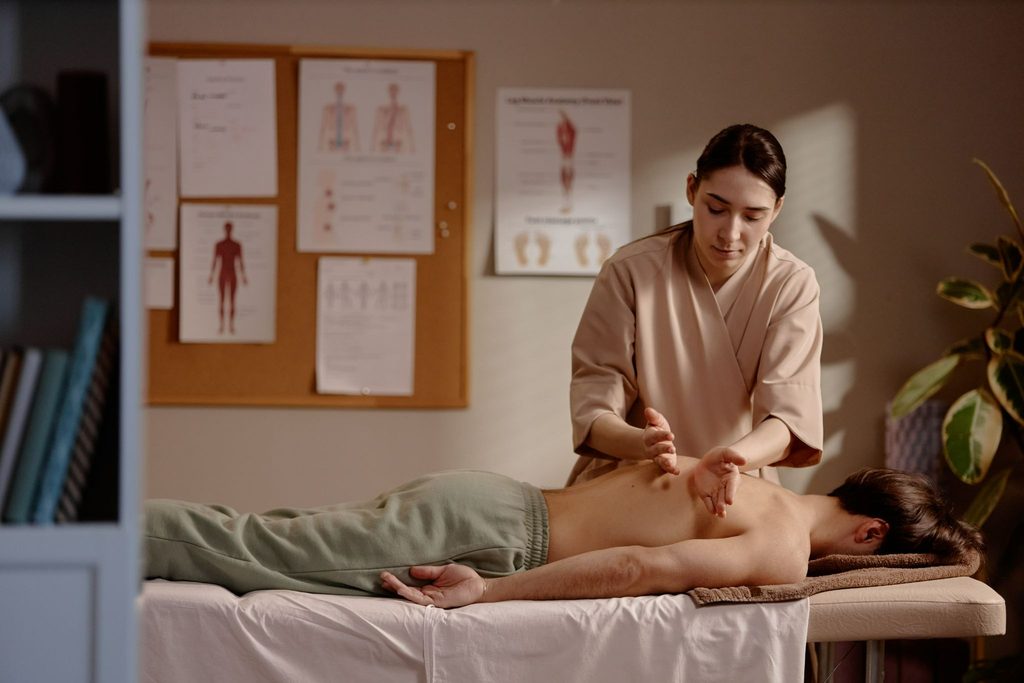
At PressurePoint, gentle chiropractic treatment is not approached as a fixed sequence of movements that is performed identically on every client.
The treatment can be adapted according to movement, areas that feel restricted, posture and current physical demands. This can be especially useful if you are not looking for a dramatic “cracking” experience, but simply want your body to feel easier and more comfortable to move.
PressurePoint Masszázs is located in central Budapest, close to Oktogon, at 1067 Budapest, Eötvös utca 9. If you would like to learn more about the treatment, you can read more about Pressure Point’s gentle chiropractic treatment.
In summary
The main difference between gentle chiropractic and what is commonly referred to as traditional chiropractic is the type and intensity of manual technique used.
Gentle chiropractic focuses on mobilization, controlled movement and soft-tissue techniques. Cracking or popping is not the objective. A traditional approach involving manipulation may use faster, impulse-based movements, sometimes accompanied by an audible joint sound.
Neither approach should be viewed as a universal solution for every problem. Your current condition, goals, comfort level and any relevant health considerations should all be taken into account when choosing a treatment.
And if you simply feel that your body has become stiffer than you’d like and certain movements no longer feel as easy as they used to, a gradual, controlled mobilization approach may be worth considering.
FAQ
Gentle chiropractic treatment uses controlled mobilization, movement-based techniques and, where appropriate, soft-tissue work. The aim is to support natural movement and range of motion rather than relying on forceful cracking.
“Traditional chiropractic” is not one standardized treatment category. The term is often used to describe approaches that may include faster, impulse-based manipulations of the spine or joints, sometimes producing a popping or cracking sound.
Cracking is not the goal of gentle chiropractic treatment. The approach primarily uses controlled mobilization techniques, although natural joint sounds can occur during movement.
The treatment is not intended to cause unnecessary pain. You may feel stretching, pressure or tension in areas that are particularly restricted, but the intensity can be adjusted according to your comfort and current condition.
There is no single answer that applies to everyone. If stiffness and restricted movement are your main concerns, a gentler mobilization-based approach may feel more appropriate. Others may specifically seek manipulation techniques.
It can be an interesting option if prolonged sitting contributes to feelings of stiffness or restricted movement in your neck, shoulders, back or hips. Regular movement and exercise remain important parts of managing the effects of prolonged sitting.
Mobilization can be part of a broader routine aimed at maintaining movement quality. However, it does not replace appropriate training, recovery or medical assessment when an injury or persistent pain is involved.
No. A cracking or popping sound does not prove that a displaced bone has returned to its proper position. The sound itself should not be used as a measure of treatment effectiveness.
There is no universal schedule. Frequency depends on your individual goals, physical condition, lifestyle and response to treatment. If you are considering regular sessions, your practitioner can help determine an appropriate approach.
Manual therapies such as mobilization or manipulation may form part of a broader treatment approach for certain types of low back pain. Current guidelines generally emphasize combining manual therapy with active approaches such as exercise rather than relying on manual treatment alone.
If you have severe or unexplained pain, a recent injury or surgery, significant neurological symptoms, osteoporosis or another condition that could affect treatment safety, seek appropriate medical advice before having manual treatment.
PressurePoint Masszázs offers gentle chiropractic treatment at 1067 Budapest, Eötvös utca 9., close to Oktogon. The treatment focuses on personalized mobilization and controlled movement. You can find the full treatment details here.
