
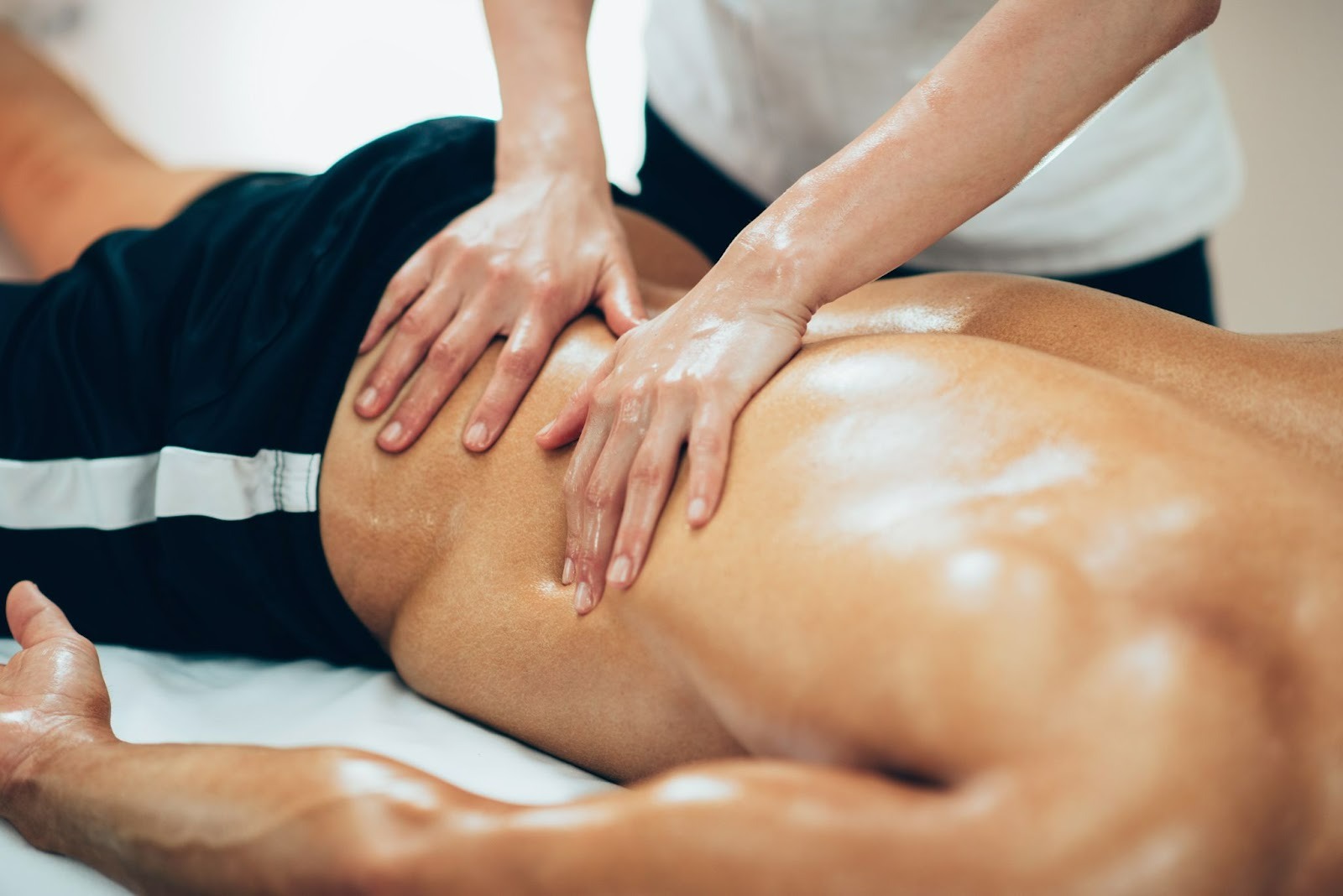
Regular physical activity is now part of many people’s lives, whether it’s running, gym workouts, or functional training. However, progress doesn’t come from training alone, because your body actually adapts during rest. That’s why conscious recovery plays a key role, and massage is one of the most effective tools for it.
In this article, you’ll learn how regularly integrating treatments can support your athletic performance, when to schedule them, and what to look for if you’re seeking professional help in central Budapest.
Why is massage important for athletic performance?
During exercise, your muscles experience micro-tears, which is a completely natural process. However, if you don’t allow enough recovery, tension builds up. As a result, your performance may decrease, and injuries can develop.
Properly applied massage techniques improve blood circulation, help remove metabolic waste faster, and reduce muscle adhesions. In addition, they improve range of motion, allowing you to train more effectively.
“Progress doesn’t happen during training, but during the recovery that follows.”
Moreover, targeted treatments focus on the areas that receive the most strain, making your training more sustainable in the long run.
Massage in Budapest for active people: when and how to integrate it?
More and more people in Budapest exercise regularly, but due to busy schedules, recovery often gets pushed aside. However, if you train several times a week, conscious planning becomes essential.
In general:
- with 2–3 workouts per week, a treatment every 2–3 weeks is recommended,
- during intensive training periods, even weekly sessions can be beneficial,
- before competitions, lighter, activating treatments are ideal,
- after competitions, recovery-focused sessions are recommended.
On the Pressure Point website, you can find a detailed overview of sports massage treatments, helping you decide whether this type best fits your training and recovery goals.
Which types of massage are suitable for athletes?
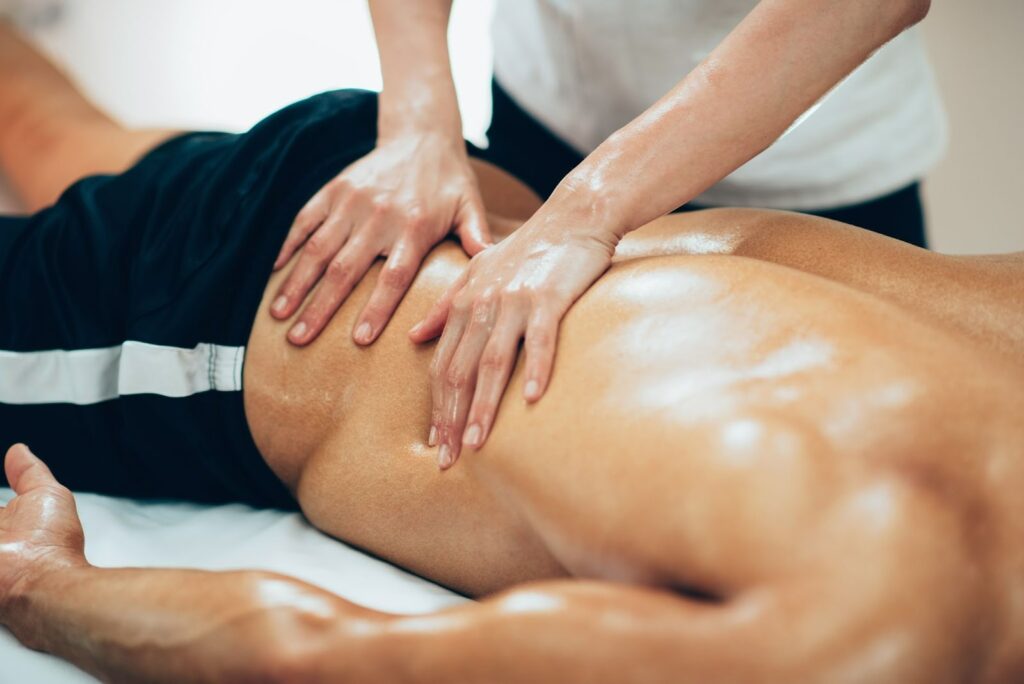
Sports massage
This type uses deeper techniques, effectively releasing muscle adhesions. While it can be more intense, it is specifically tailored to an active lifestyle.
Swedish massage
Swedish massage is one of the most well-known and versatile treatments. It effectively relieves muscle tension while improving circulation. It is especially useful alongside sports, as it relaxes overworked areas without placing excessive strain on the body.
Deep tissue massage
Deep tissue massage uses more targeted, intensive techniques, making it highly effective for treating stubborn tension and chronic tightness. It is particularly recommended if you train regularly and certain muscle groups are consistently overloaded.
The experienced therapists at Pressure Point always take into account your training volume and current condition, providing a personalized approach.
Why does it matter where you get a massage in Budapest?
Accessibility matters a lot, especially if you train alongside work. If treatments are easy to fit into your schedule, you’re more likely to stay consistent.
A central location is therefore not just about convenience, but also about time efficiency. On the Pressure Point website, you can use the online booking system to choose a suitable time in just a few clicks.
Long-term benefits: more than just muscles
Regular massage doesn’t only affect your muscles. On one hand, it improves range of motion, while on the other, it reduces the risk of overuse injuries. In addition, it can help balance the nervous system, leading to better sleep and more focused training sessions.
Overall, conscious recovery helps you stay active not just in the short term, but for years to come.
If you train several times a week, every 2–3 weeks is recommended, or even weekly during intense periods.
Yes, because it improves circulation and helps remove metabolic waste faster.
Both are useful, but the goal determines the timing.
Absolutely, as it helps prevent overload and early injuries.
It can be intense, but it is always adjusted to your individual tolerance.
Typically 45–60 minutes, depending on your needs.
In case of acute injury, medical consultation is recommended first, but it can support rehabilitation afterward.
Indirectly yes, by enabling faster recovery.
Yes, because the combination of sitting and training often leads to increased muscle tension.
Easily through the online system on the Pressure Point booking site.
